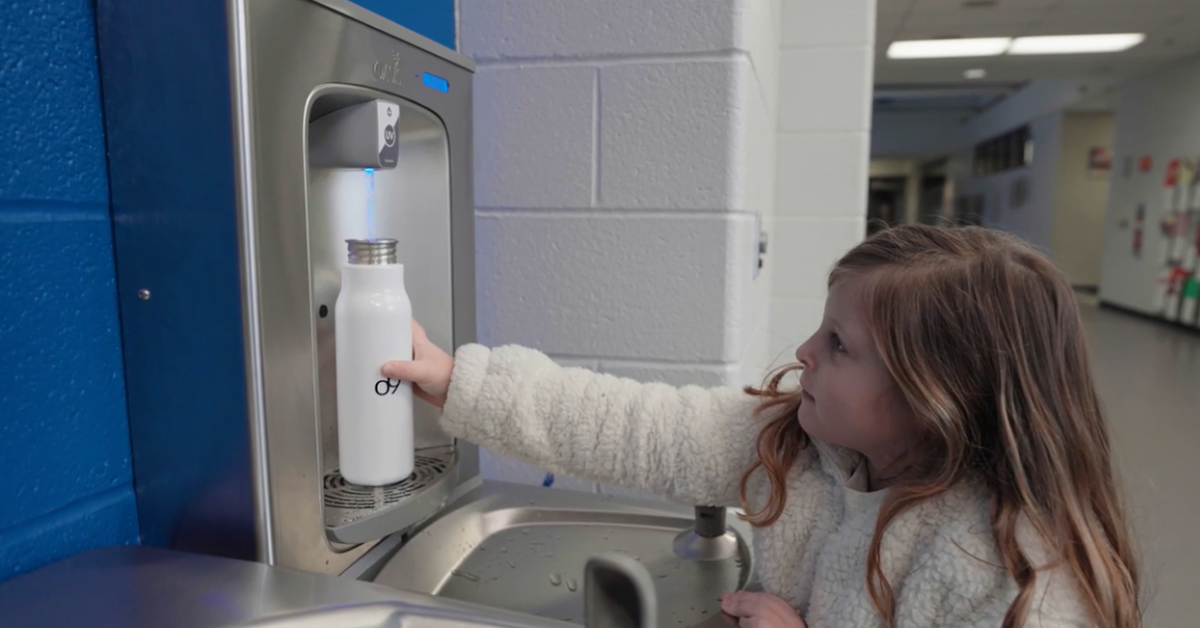



Parts of a Drinking Fountain: What Makes It Work
 Hydration Insights from the OASIS Team
January 8, 2026
Hydration Insights from the OASIS Team
January 8, 2026
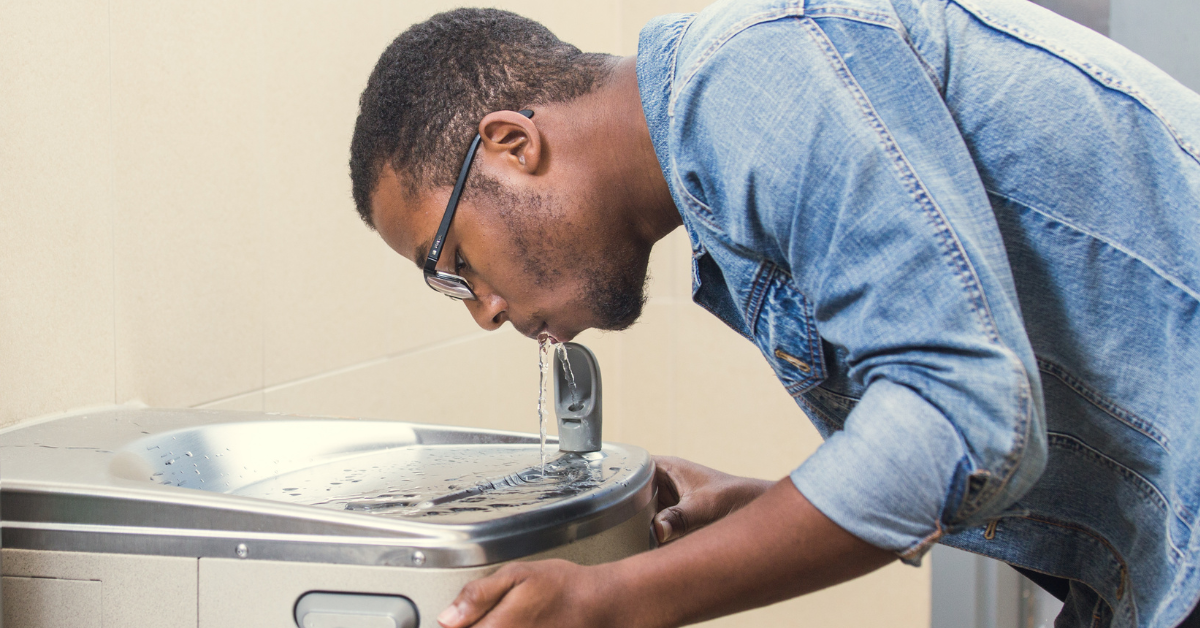
Parts of a Drinking Fountain: What Makes It Work
Busy hallways, bustling gym floors and crowded transit hubs all rely on one often-overlooked hero: the drinking fountain. As people swap single-use bottles for refillable ones and prioritize hygiene, these fixtures have never been more relevant. New models — especially those from OASIS Coolers — serve fresh water while sending real-time diagnostics to facility dashboards.
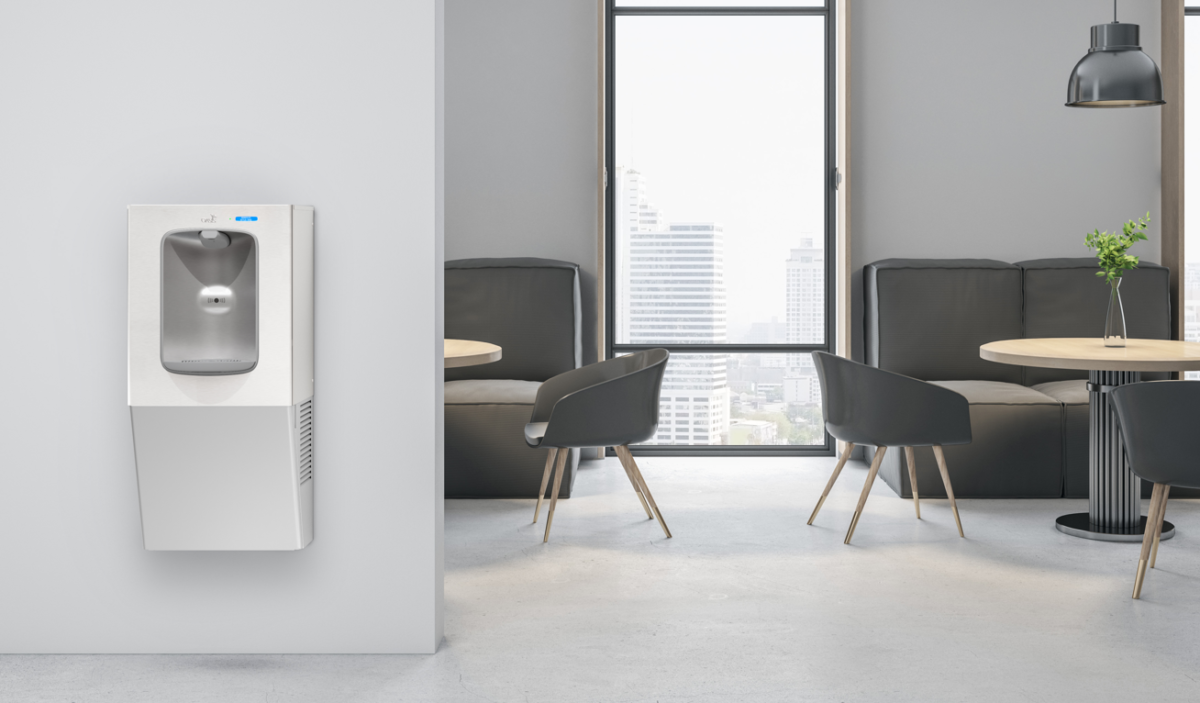
At its core, a drinking fountain is a specialized water cooler that draws potable water from the supply line, chills it to a refreshing temperature and then delivers a controlled stream through a bubbler head or bottle filler. OASIS designs push the concept further with antimicrobial surfaces and optional bottle filling stations that track bottle count to showcase sustainability wins.
Knowing the individual parts of a drinking fountain pays off when you manage high-traffic properties. A clear parts breakdown speeds troubleshooting, keeps you compliant with ADA and NSF/ANSI standards and helps you plan preventive maintenance that reduces downtime. Understanding how the spout, solenoid valve (for electronic bottle fillers or contactless drinking fountains), mechanical cartridge and filter work together makes it easier to spot wear before it turns into an outage.
By the end, you will know exactly which fountain part keeps the water level right, which filter protects the taste of drinking water and where to view details on OEM replacements. Let’s dive in.
Where Drinking Fountains Are Used Most Often
You’ll find drinking fountains wherever consistent, safe hydration is non-negotiable. Schools rely on them to keep students refreshed between classes, gyms depend on them to support peak performance and airports position them near gates so travelers can refill before boarding. Corporate campuses, hospitals and municipal buildings round out the list, each demanding uninterrupted water flow and quick bottle fills throughout the day.
High-traffic settings like these expose every fountain part — from the bubbler head to the mechanical cartridge — to thousands of activations a week. Durability is therefore more than a preference; it’s a must. Heavy-gauge stainless-steel basins and exterior drinking fountains and bottle fillers resist dents, vandal-resistant pushbars safeguard activation points and sensor-controlled systems prevent overuse, extending the life span of critical components.
Compliance also drives purchasing decisions. Facility managers must ensure fixtures meet ADA reach-range requirements so every user can access fresh water with ease. Hygiene standards add another layer: NSF/ANSI certified materials, antimicrobial freshield for key components on the bottle filler and drinking fountain, and hands-free activation reduce bacterial transfer and reassure occupants that the water fountain is as safe as bottled water.
Because these locations depend on uninterrupted service, each installation needs well-designed parts that work together seamlessly. In the next section, we’ll break down those components and show how innovations like touch-free technology keep them performing at their best.
Parts of a Drinking Fountain
Every reliable water fountain shares a core set of parts that work together to deliver fresh water with minimal maintenance. Below is a concise checklist you can reference when evaluating existing units or planning new installations:
-
Basin and drain: Collects excess water from the stream and directs it to the drain to prevent spills and pooling. Channels used water away from the basin and into the plumbing system to maintain cleanliness.
-
Bubbler valve and stream outlet: Controls the release of water and shapes the arc of the drinking stream for easy, splash-free access. The bubbler valve’s stream height on certain models can be adjusted for easy customization.
-
Water supply line: Connects the fountain to the building’s plumbing to provide a continuous flow of potable water.
-
Manual or sensor activation mechanisms: Allow users to start and stop water flow, either by pressing a button/lever or through a touchless motion sensor, on certain models.
-
Filter system: Removes impurities such as sediment, chlorine and lead to improve water taste and safety. Versafilter 3 reduces chlorine, taste, odor, lead and cyst, among other unwanted elements.
-
Cooling unit or chiller: Lowers water temperature before dispensing, offering a refreshing cold drink.
-
Hygiene features such as bubbler guards and antimicrobial surfaces: Help prevent contamination and reduce the spread of germs at common touchpoints.
Each component plays a distinct role in performance and compliance. OASIS Coolers integrates touch-free sensors, built-in filter monitor, bottle counter and rugged materials into these parts, ensuring fountains stand up to daily demands while providing real-time data on water flow and filter life. Facility teams can even add drinking fountain accessories like bottle fillers or cane aprons to customize units for specific sites. For properties prone to misuse, OASIS offers models engineered with a vandal-resistant design that protects pushbars, spouts and drains from tampering.
Here’s a breakdown of the main drinking fountain systems:
Basin and Drainage System
The basin catches overspray and directs excess water toward the drain, preventing slippery sidewalks or floors. Stainless steel remains the material of choice thanks to its corrosion resistance and easy-clean surface, though some locations opt for antimicrobial finishes to add a layer of protection. A well-engineered waste receptor keeps water flowing freely by minimizing debris buildup. OASIS basins feature contoured surfaces that guide flow efficiently, while removable strainers simplify periodic cleaning so clogs never reach the main line.
Bubbler Valve and Activation Mechanism
The bubbler valve controls water flow and shapes the arc for comfortable drinking without mouth contact. OASIS models use precision pressure regulation to maintain a steady stream even when the building water level fluctuates. For activation, you can choose tamper-proof pushbars or touch-free sensors that engage a solenoid valve for completely hands-off operation. Sensor activation not only promotes hygiene but also reduces wear on mechanical parts, extending service life and lowering replacement costs.
Filter System and Cooling Unit
Filtration is essential for great-tasting drinking water. OASIS offers carbon block and NSF/ANSI 53 certified filters that capture particulates, chlorine and lead. Built-in filter monitor tracks cartridge life and sends alerts when a change is due, allowing proactive maintenance rather than reactive fixes. Once filtered, water passes through a sealed cooling unit — either a compressor-based chiller or an energy-efficient thermoelectric system — that holds temperature within a refreshing range. Because the cooler is integrated, you avoid the complexity of pairing separate fountain parts and simplify ordering when it’s time to swap components.
How To Install or Replace Key Fountain Parts: Maintenance Tips
Before you reach for a wrench, confirm that conditions are safe. The checklist below covers the essentials you should follow every time you service a drinking fountain, whether you’re swapping a bubbler head or inspecting the solenoid valve:
-
Shut off the water supply at the nearest plumbing valve and depressurize the line.
-
Disconnect electrical power to any integrated water cooler.
-
Place signage to keep foot traffic clear of the work area.
-
Keep replacement parts — gaskets and filters — within arm’s reach to avoid unnecessary delays.
-
Wear gloves and eye protection to guard against sharp edges or unexpected water flow.
Once the area is secure, dive into component replacement with confidence.
Replacing the Bubbler Valve
-
Remove the vandal-resistant guard if present.
-
Loosen the retaining nut and lift out the old valve.
-
Inspect the spout for mineral buildup; clean or replace as needed.
-
Insert the new valve, align for proper arc, then tighten the nut to the manufacturer's torque specs.
-
Restore water pressure and test for leaks.
Changing the filter
-
Twist or unclip the spent cartridge — be prepared for residual water.
-
Flush the new OASIS carbon block filter as directed to remove carbon fines.
-
Install the cartridge, ensuring the arrow follows the water flow direction.
-
Reprogram the EBF bottle filler so the system tracks the new service interval.
Consistent upkeep does more than preserve water level and flow; it safeguards user health, catches minor issues before costly downtime and supports sustainability goals by extending the life of every fountain part. OASIS Coolers eases the process with quick-access panels, standardized components and online resources like the “Restarting your fountain” tutorial, so routine service never becomes a major project.
Why Choose OASIS Drinking Fountains?
Selecting the right drinking fountain goes beyond securing fresh water; it’s about investing in a system that stays dependable year after year. OASIS designs every model with compatibility and reliability at the forefront. Whether you manage wall mounted units in a hospital corridor or floor mounted stations in a stadium concourse, you’ll find that key fountain parts — from cartridges to bubbler heads — share standardized fittings that simplify stocking and replacement.
Support backs the hardware. Dedicated technicians handle troubleshooting calls and walk you through parts breakdowns when downtime isn’t an option. Comprehensive documentation, how-to videos and quick-start guides mean you can resolve most issues in-house without hunting for outside expertise.
Ready to streamline hydration? We’re here to help! Just contact our team to discuss tailored solutions that meet your operational goals and compliance requirements.
About the Author
Explore more articles
Understanding the Surge in Demand for High-Quality Water Solutions
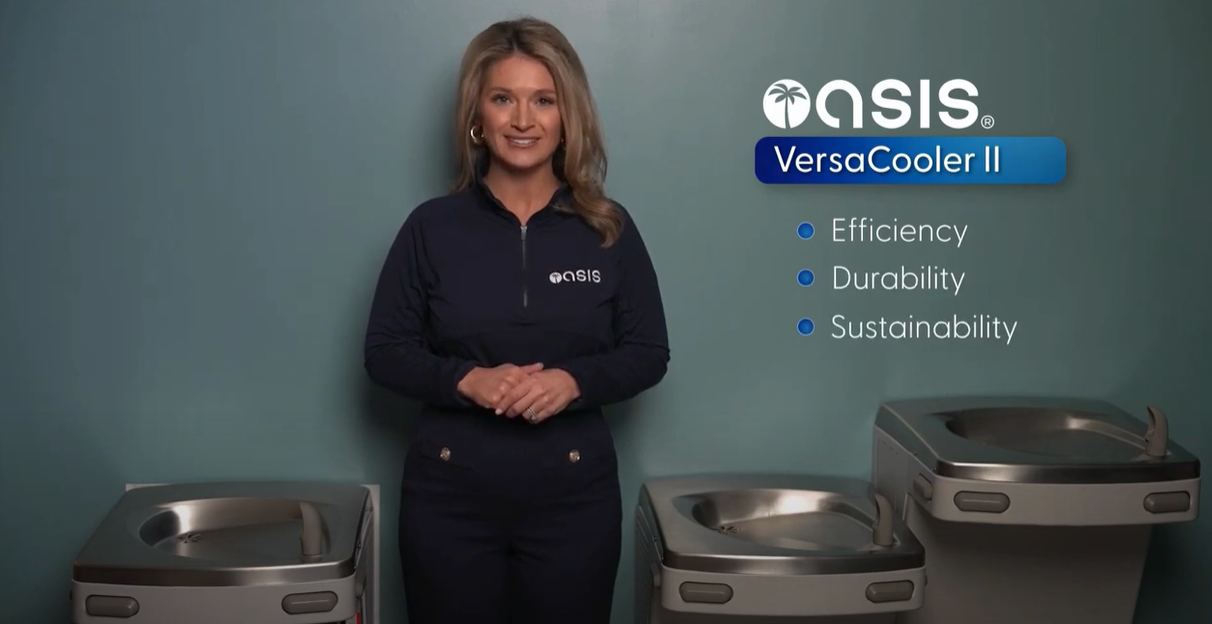
VersaCooler II Drinking Fountains Features and Benefits

VersaFiller Bottle Filler Features and Benefits
Bottle Filling Stations – Trends and Demand