


Is School Water Safe To Drink?
 Hydration Insights from the OASIS Team
January 8, 2026
Hydration Insights from the OASIS Team
January 8, 2026
Is School Water Safe To Drink?
An analysis of 7,758 school water systems revealed that 77% of test samples taken had some level of lead contamination — 16% were in the double digits and 6% exceeded the EPA’s recommended maximum threshold, according to ABC.
That statistic is startling because even low lead exposure can stunt cognitive development, impede growth and weaken immune systems — precisely the outcomes schools strive to prevent. If students can’t rely on the most basic resource — safe drinking water — overall wellness and academic performance suffer.
Many districts face aging infrastructure, pipes installed before modern safety standards and sporadic water testing schedules. Add lingering concerns about PFAS, bacterial biofilms and corroded fixtures, and it becomes clear why facility managers constantly ask whether their tap water meets today’s health benchmarks.
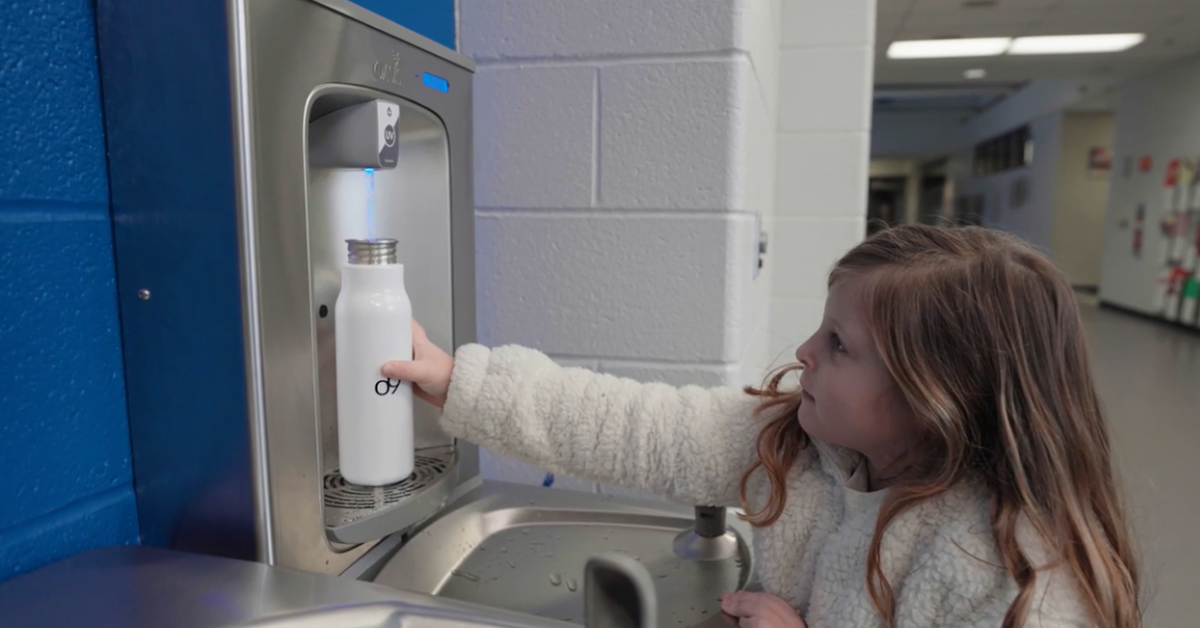
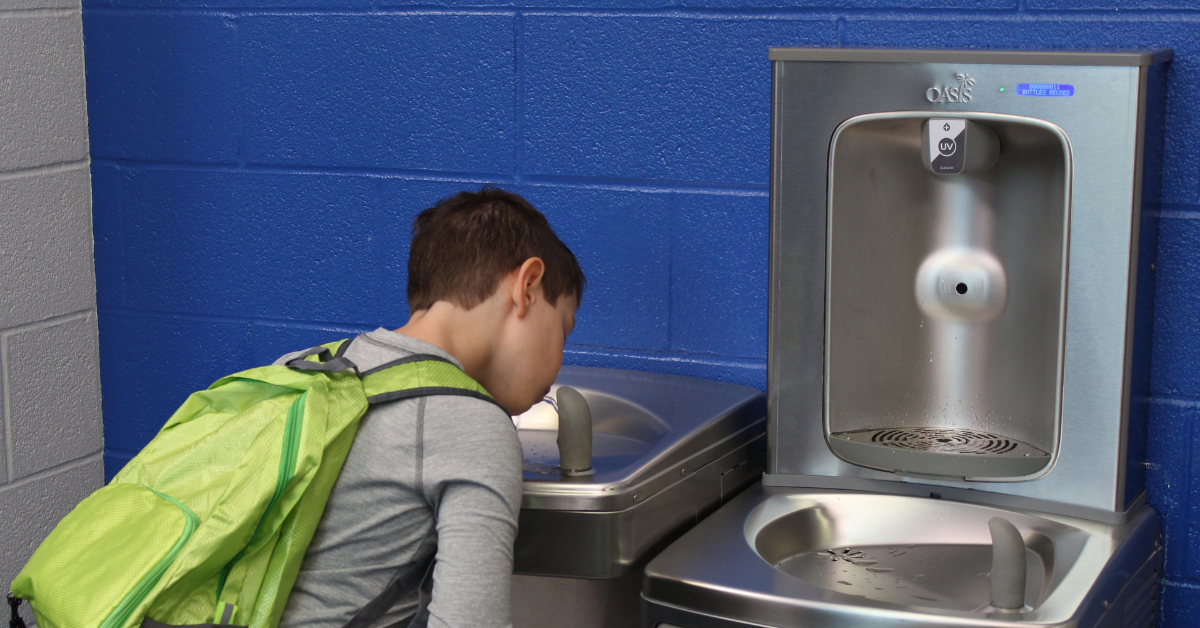
Fortunately, comprehensive solutions exist. OASIS drinking water solutions equip schools with touch-free bottle fillers, certified filtration systems and advanced UV-C sanitization technologies that actively remove contaminants and curb microbial growth. By integrating these systems into your campus, you provide students with consistent access to safe drinking water and demonstrate a commitment to health, sustainability and operational excellence.
What’s in School Water?
Tap water delivered to a school usually begins as the same municipal supply that the surrounding community drinks. It arrives with beneficial minerals like calcium, magnesium and trace electrolytes that support hydration and bone health. Yet the moment water enters a campus plumbing network, it encounters aging pipes, solder joints and fixtures that can leach metals or foster microbial growth. Add fluctuating building occupancy, seasonal temperature swings and sporadic maintenance, and the composition of what flows from a hallway fountain can change dramatically between classes.
Contaminants reach students’ cups through several common pathways:
-
Pipe corrosion releases lead, copper or iron as water stagnates overnight or over long breaks.
-
Worn drinking fountains accumulate biofilm, a slimy layer where bacteria flourish and shed into the water stream.
-
Outdated gasket and valve materials allow industrial chemicals to migrate into water as parts degrade.
-
Construction projects disturb sediment, sending particulate matter and rust down the line.
-
Unbalanced disinfectant levels from the municipal supply can promote bacterial regrowth once water sits in building plumbing.
These vulnerabilities illustrate why even districts served by reputable utilities still struggle to provide consistently safe drinking water that students can trust. Educators seeking long-term resilience are turning to solutions such as OASIS touch-free bottle fillers with certified filtration and real-time monitoring—upgrades that align with our commitment to hydration for education and broader goals for clean drinking water across every campus.
Potential Contaminants in School Water: What To Watch Out For
Lead
Lead is a heavy metal with no safe exposure level for children. Once it enters the bloodstream, it interferes with neurological development, reduces IQ scores and can trigger behavioral issues. Young bodies absorb lead at higher rates than adults, so even trace amounts pose outsized risks in a school setting.
The Environmental Protection Agency (EPA) sets an action level of 15 parts per billion for lead in drinking water. This threshold isn’t a guaranteed “safe” line; instead, it signals when systems must take corrective action. Many public health experts advocate for far lower targets because chronic, low-dose exposure still harms developing brains.
Schools are especially vulnerable because buildings constructed before 1986 often contain lead service lines, soldered joints and brass fountain components. When water sits stagnant overnight or during breaks, it becomes corrosive and pulls lead from these materials. Without rigorous flushing routines and certified filtration, fountains may deliver water that exceeds federal guidelines long before a district schedules its next test.
PFAS (Forever Chemicals)
Per- and polyfluoroalkyl substances, collectively known as PFAS, are a class of synthetic compounds prized for their resistance to heat, oil and water. Unfortunately, the same traits make them virtually indestructible in the environment and persistent in the human body. Studies link lifelong PFAS exposure to thyroid disorders, immune suppression, developmental delays and certain cancers.
These chemicals enter school plumbing through contaminated source water, fire-fighting foam runoff or even legacy coatings inside older pipes. Because PFAS do not break down, levels accumulate over time unless active filtration — such as high-capacity carbon blocks — removes them at the point of use. With many states introducing strict PFAS limits, schools must stay ahead of regulations to safeguard students’ health and avoid costly compliance surprises.
Other Common Contaminants
While lead and PFAS dominate headlines, other culprits can undercut water quality on campus:
-
Bacteria and biofilm: When water stagnates in little-used wings or ill-maintained fountains, microbial colonies form protective slime layers that harbor E. coli, Legionella or Pseudomonas. These pathogens can cause gastrointestinal distress or respiratory illness, especially in immunocompromised students.
Recognizing the breadth of these risks underscores filtration importance for every drinking station on campus.
So, Is School Water Safe To Drink?
The honest answer is: it depends on how well each campus manages its plumbing, testing and hydration equipment. Even when municipal utilities meet federal standards, school buildings face unique maintenance hurdles that can undermine water quality before it reaches a student’s bottle.
Routine obstacles include outdated galvanized or lead-containing pipes, fountain components that predate modern safety codes and tight budgets that delay fixture upgrades. Many districts test water only once every few years, leaving months — sometimes years — when problems can develop undetected. When those tests finally occur, results often arrive after students have already consumed the water in question.
Hygiene adds another layer of complexity. Hallway bubblers endure constant touch traffic. Non-antimicrobial bubblers collect saliva and food particles, encouraging biofilm growth that shelters bacteria. Low-flow fixtures meant to save water can inadvertently raise water temperature, further accelerating microbial proliferation between classes. Without daily sanitization, these hotspots compromise the very hydration stations meant to keep kids healthy.
OASIS tackles these vulnerabilities head-on:
-
Integrated carbon and lead-specific cartridges capture microplastics, chlorine byproducts and Total PFAS before water is dispensed.
-
QUASAR UV-C technology neutralizes 99.9% of micro-organisms before water leaves the bottle filler.
-
Touch-free sensors reduce contact points and curb cross-contamination.
Beyond regulatory boxes, delivering clean water reinforces a district’s core mission of raising healthy kids. Hydrated students concentrate better, miss fewer days due to illness and participate more fully in class. When parents see modern, well-maintained hydration stations, confidence grows and complaints decline.
How To Improve School Water Safety: What Schools and Parents Can Do
Before problems escalate, tell-tale signs often suggest your drinking water systems need attention.
Watch for:
-
Cloudy or discolored streams from taps or school water fountains.
-
Metallic or chemical tastes that linger after a sip.
-
Noticeably low water flow, which can signal sediment buildup or corroded lead pipes.
-
A lack of filter maintenance — or no filters at the school at all. School administrators should ask themselves, “Do we have bottle fillers at our school?” and, “How long ago have the drinking fountains been touched and maintained?”
When these warnings appear — or even if they don’t — parents and educators should take an active role in verifying water quality. You can start by requesting the most recent lead levels and contaminant reports from the district. If results are outdated or unclear, independent laboratories offer affordable test kits that screen for lead exposure, bacteria and PFAS. Comparing data against EPA guidance and local safe level requirements helps identify gaps long before they endanger students.
Once you have a clear picture, several practical steps build a robust defense:
-
Establish quarterly or semester-by-semester testing schedules to catch lead drinking water spikes and emerging contaminants.
-
Replace legacy fixtures, solder and branching lines that contribute to lead school drinking issues or harbor biofilm.
-
Install certified point-of-use filtration on every dispensing station to intercept lead water particles, Total PFAS and bacteria at the final moment before consumption.
-
Adopt flushing protocols after weekends or holiday breaks to reduce stagnant, contaminated water in pipes.
OASIS Is Your School’s Solution
OASIS amplifies these efforts with school-focused technology. Filtered bottle fillers remove lead, chlorine byproducts and forever chemicals while keeping maintenance simple. QUASAR UV-C modules provide continuous filtration, eliminating bacteria that standard filters might miss. A filter monitor on the bottle filling station tracks filter life and usage so you can address potential risks without guesswork. Because many units and devices are touch-free, they also reduce surface germs, supporting overall campus hygiene.
By upgrading to OASIS hydration solutions, districts not only comply with public health mandates but also model sustainability through bottle refill stations that cut single-use plastic waste. Students gain reliable access to safe drinking water, parents gain peace of mind and facility teams gain a partner focused on operational efficiency.
Ready to strengthen your school’s water safety plan? Contact OASIS for consultation or product recommendations and discover how our eco-friendly, certified systems transform water supply challenges into long-term confidence for every classroom.
About the Author
Explore more articles
Understanding the Surge in Demand for High-Quality Water Solutions
VersaCooler II Drinking Fountains Features and Benefits

VersaFiller Bottle Filler Features and Benefits
Bottle Filling Stations – Trends and Demand