



Boost Your Heart Health: The Power of Drinking Clean Water
 Hydration Insights from the OASIS Team
February 3, 2025
Hydration Insights from the OASIS Team
February 3, 2025

February is American Heart Month—a time to focus on simple lifestyle habits that support cardiovascular wellness. While nutrition and exercise often take center stage, one of the most powerful (and overlooked) health habits is proper hydration with clean, safe drinking water.
Water plays a vital role in maintaining healthy blood volume, regulating blood pressure, and supporting circulation. When hydration levels drop, the heart must work harder to pump thicker, more concentrated blood, placing additional strain on the cardiovascular system.
For individuals, families, and facility managers alike, ensuring access to clean, filtered drinking water is a foundational step toward supporting long-term heart health.
Why Hydration Matters for Heart Health
The heart relies on adequate hydration to function efficiently. Proper fluid intake helps maintain electrolyte balance, supports blood flow, and reduces stress on the cardiovascular system.
Recent research from the National Institutes of Health (NIH) reinforces the connection between proper hydration and cardiovascular health. In a long-term study analyzing data from more than 11,000 adults over 25 years, researchers found that staying well-hydrated may be associated with a lower risk of developing heart failure later in life.
The study evaluated hydration status using serum sodium levels—an indicator that rises when fluid intake is too low. Findings showed that adults with sodium levels at the higher end of the normal range during midlife had a significantly greater likelihood of developing heart failure and left ventricular hypertrophy, a thickening of the heart muscle.
Researchers concluded that consistently consuming sufficient fluids throughout life may help prevent or slow structural changes in the heart that can lead to heart failure. These findings highlight an important takeaway: hydration is not just about daily wellness—it may influence long-term cardiovascular outcomes. In fact, NIH experts noted that drinking enough water and maintaining proper hydration can support healthy circulation and help the heart pump blood more efficiently over time.
While hydration needs vary by individual, general guidance from the research suggests aiming for approximately 6–8 cups of fluids per day for women and 8–12 cups for men to support overall cardiovascular function.
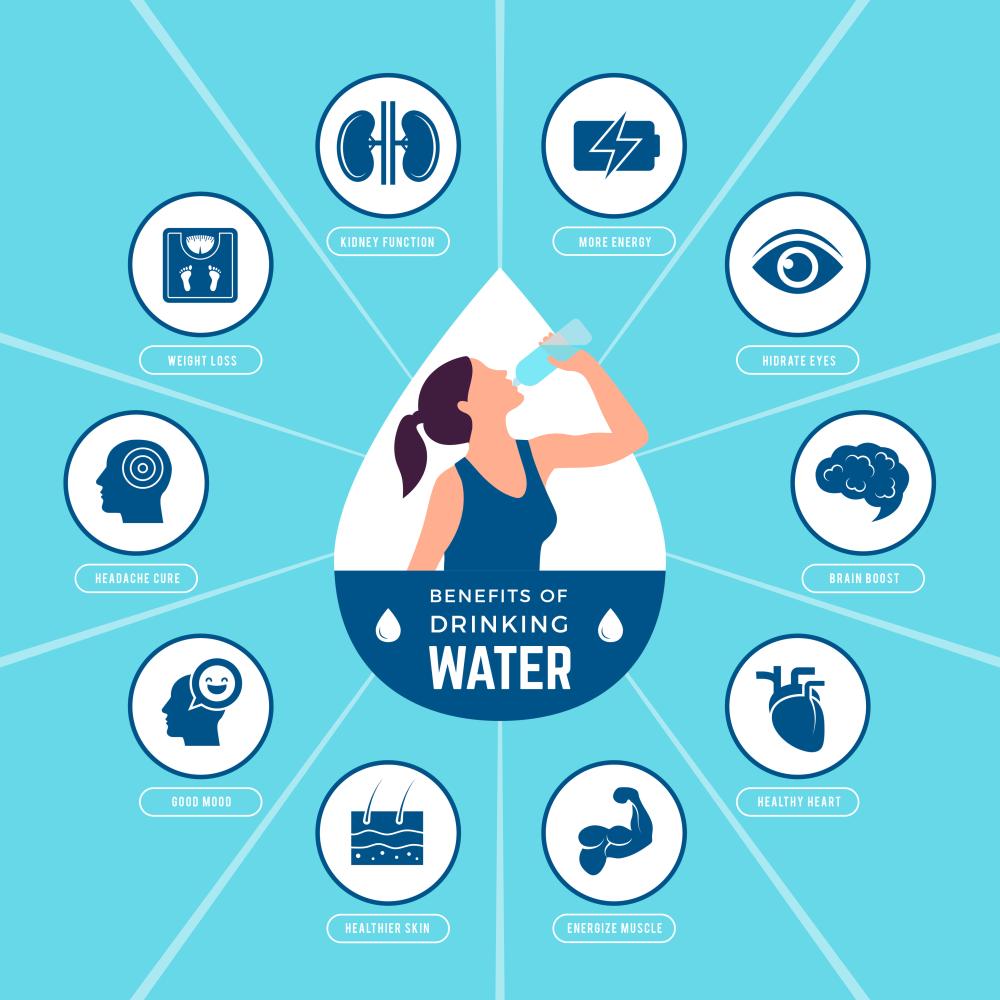
Benefits of Drinking Clean WaterChoosing clean, filtered water over sugary or caffeinated beverages offers numerous advantages:
Emerging research even links inadequate hydration to higher serum sodium levels, which may correlate with an increased risk of heart disease over time. |
 |
Ensuring Access to Clean Water
Hydration quality matters just as much as hydration quantity. Contaminants such as lead, PFAS, chlorine byproducts, and microplastics can negatively impact long-term health and wellness.
That’s why filtered drinking water is increasingly prioritized in schools, healthcare facilities, offices, and public spaces. Clean, filtered water helps ensure that hydration habits actively support heart health rather than exposing individuals to harmful contaminants. For organizations evaluating hydration solutions, understanding filtration options and contaminant reduction capabilities is critical.
Hydration and Preventive Wellness: A Simple Daily Habit
Unlike complex lifestyle changes, drinking clean water is an easy, accessible preventive health strategy. Whether at home, work, school, or in public facilities, consistent access to filtered water encourages:
-
Reduced consumption of sugary beverages
-
Increased daily water intake
-
Improved energy and focus
-
Better long-term cardiovascular health outcomes
Modern hydration stations and filtered bottle fillers make it easier than ever to support these healthy behaviors in shared environments.
Tips for Staying Hydrated
Building consistent hydration habits can make a meaningful difference in heart health over time:
-
Carry a reusable water bottle: Having water on hand encourages regular sipping throughout the day.
-
Set hydration reminders: Use alarms or apps to prompt regular water intake.
-
Infuse your water: Add natural flavors like lemon, cucumber, or mint to make water more appealing.
-
Choose filtered water sources to ensure clean, safe hydration
These simple steps can help individuals maintain proper fluid balance while supporting cardiovascular wellness.
Creating Heart-Healthy Environments with Accessible Hydration
For facility managers and organizations, promoting hydration goes beyond individual habits. Providing visibly clean, filtered drinking water can influence healthier choices across entire populations—whether in schools, healthcare environments, corporate campuses, or municipal spaces.
Investing in reliable hydration infrastructure helps:
-
Encourage consistent water consumption
-
Support public health and wellness initiatives
-
Reduce reliance on sugary drinks and single-use plastics
-
Promote long-term cardiovascular health across communities
Clean Water as a Foundation for Heart Health
Prioritizing hydration with clean, filtered water is one of the simplest and most effective ways to support heart health. Ensuring reliable access to safe drinking water helps regulate blood pressure, improve circulation, and reduce strain on the cardiovascular system.
This American Heart Month, take a moment to evaluate your hydration habits—and the quality of the water available in your environment. Clean water isn’t just refreshing; it’s a powerful, preventative step toward better heart health and overall well-being.
Ready to enhance hydration in your facility? Contact OASIS today to learn more about our bottle fillers, drinking fountains, and advanced filtration solutions designed to support long-term health and wellness.
Let's keep hydration flowing!

About the Author