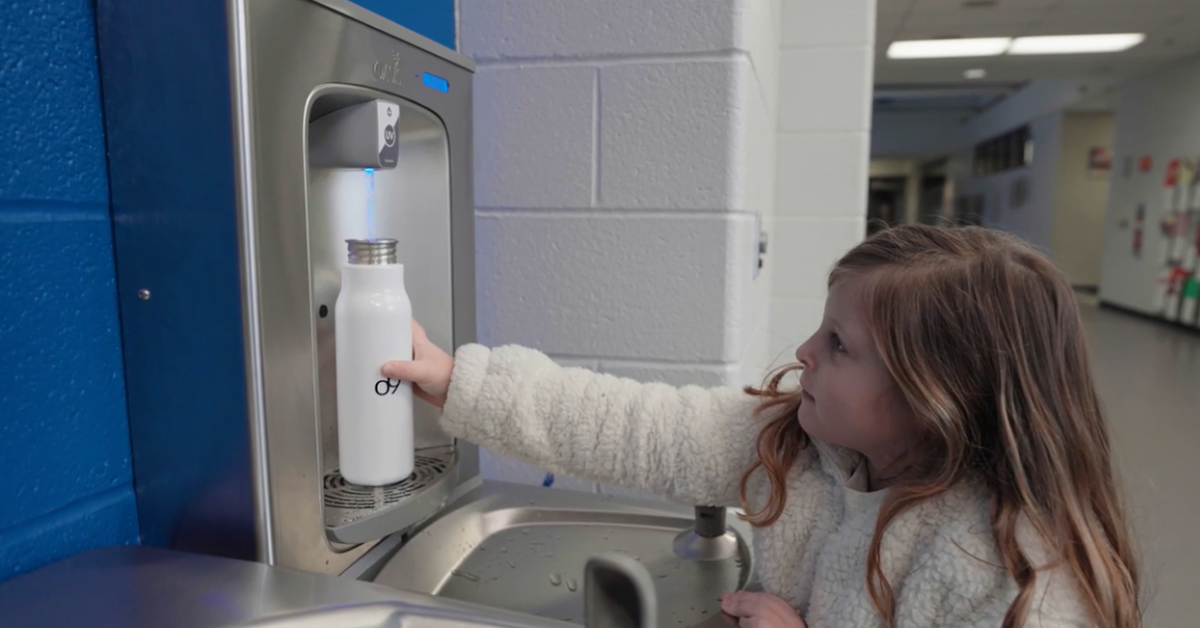



How Do Fountains Work Without Electricity? Accessing Safe Drinking Water
 Hydration Insights from the OASIS Team
January 9, 2026
Hydration Insights from the OASIS Team
January 9, 2026

How Do Fountains Work Without Electricity? Accessing Safe Drinking Water
When the power goes out, most building systems grind to a halt — but that doesn’t mean your water fountain has to. For centuries, people have relied on simple, non-electric designs that harness gravity, water pressure and smart mechanical parts to keep water flow steady, even without a pump or motor. Those same principles still matter today. Whether you manage a school, hospital, transit hub or office complex, ensuring continuous access to safe drinking water during power outages, extreme weather or planned sustainability initiatives is a mission-critical responsibility.
That’s why facility managers are taking a fresh look at mechanically activated solutions. By eliminating the need for electricity, these fountains stay operational as long as the municipal water supply and pipes remain intact — providing a lifeline when emergency bottled water deliveries are delayed or storage space is limited.
At OASIS, we’ve translated time-tested engineering into modern, code-compliant products that deliver reliable hydration without relying on the grid. Our mechanically activated drinking fountains demonstrate that you don’t have to sacrifice performance or user experience to safeguard drinking water access when other systems fail. Here’s what you need to know about these fountains and water coolers.
What Physical Principles Allow a Fountain to Work Without Electricity?
Fountains that function without a power source rely on straightforward science rather than complex circuitry. By combining natural forces with purposeful design, these systems transform stored energy into a steady water flow that users can count on, even during power outages.
Role of Pipe Diameter, Length and Geometry
Once water is moving, the path it travels matters. Wider diameter pipes reduce friction, letting water reach fixtures with minimal pressure loss, while excessively narrow lines can throttle flow and slow refill rates. Similarly, longer or sharply angled runs introduce resistance that saps velocity. Optimizing pipe length, minimizing bends and choosing smooth materials help preserve valuable pressure so the fountain delivers a continuous flow of clean drinking water — all without an electric pump.
Valves and Air Pressure
Mechanical components keep everything under control. Non-electric push bars, foot pedals or lever-style actuators open internal valves, allowing pressurized water to exit the bubbler or fountain spout on demand. Some systems even harness differential air pressure to stabilize flow and reduce splash, proving that elegant engineering can replace electronics when reliability is paramount.
Emergency-Ready Hydration: Modern Non-Electric and Mechanically Activated Fountains
When you’re asking “how do fountains work without electricity” in the context of today’s facilities, the answer often comes down to rugged, manually powered hardware. OASIS has engineered a full line of pressure water coolers, fountain models and bottle fillers that rely on push buttons rather than an electric motor. Each activation simply opens a cartridge to let incoming line pressure drive the water flow — no wiring, no external pump and no standby energy draw.
This design philosophy pays dividends the moment the lights go out. Because municipal mains typically maintain adequate pressure even during blackouts, these units continue delivering safe, refreshing water when bottled supplies vanish from store shelves or emergency generators are prioritized for critical medical devices. For schools sheltering students, transit hubs serving stranded travelers, or community centers doubling as relief sites, a dependable drinking fountain can make all the difference.
The benefits extend well beyond crisis scenarios:
-
Operational resilience: Fountains dispense water whenever the pipes are pressurized, regardless of grid status.
-
Simplified maintenance: No electrical components to service, replace or protect from surges.
-
Lower lifecycle costs: Zero energy consumption cuts your electricity bill and supports sustainability goals.
-
Universal placement: Install indoor and outdoor fountains in remote corridors, historic structures, emergency relief shelters or areas and any outdoor space where running power is impractical.
Facility managers exploring upgrades can start with our on-wall bottle fillers or our durable water coolers and fountain options — each built to leverage existing pipes, diameter-optimized plumbing and the natural advantages of gravity and line pressure for continuous hydration. Not only are they a great water source for emergencies, but they also improve energy efficiency and can lower your electricity bill in the long run.
Stick With OASIS Fountains Through Thick and Thin
From the ancient aqueduct to the modern fountain, the core idea hasn’t changed: place a higher source of water, manage elevation and let pressure do the work. By uniting those fundamentals with precision-engineered valves, optimal diameter pipes and durable housings, OASIS fountains stay on when powered units cannot. The result is a hydration solution that’s immune to blackouts, resilient during storms and effortlessly aligned with your sustainability targets.
For facility managers, that reliability translates into measurable value. You avoid costly generator loads, reduce downtime and reassure occupants that fresh, safe drinking water will be available no matter what’s happening outside. Whether you’re updating an existing building or specifying equipment for new construction, our line of fully mechanically activated fountains and coolers offers a straightforward path to preparedness — no wiring, no external water pump, just smart mechanical design driven by gravity and water pressure.
Ready to bolster your emergency response plan and trim energy use at the same time? Explore OASIS pressure water coolers & fountains or contact us for more info.
About the Author
Explore more articles
Understanding the Surge in Demand for High-Quality Water Solutions
VersaCooler II Drinking Fountains Features and Benefits

VersaFiller Bottle Filler Features and Benefits
Bottle Filling Stations – Trends and Demand