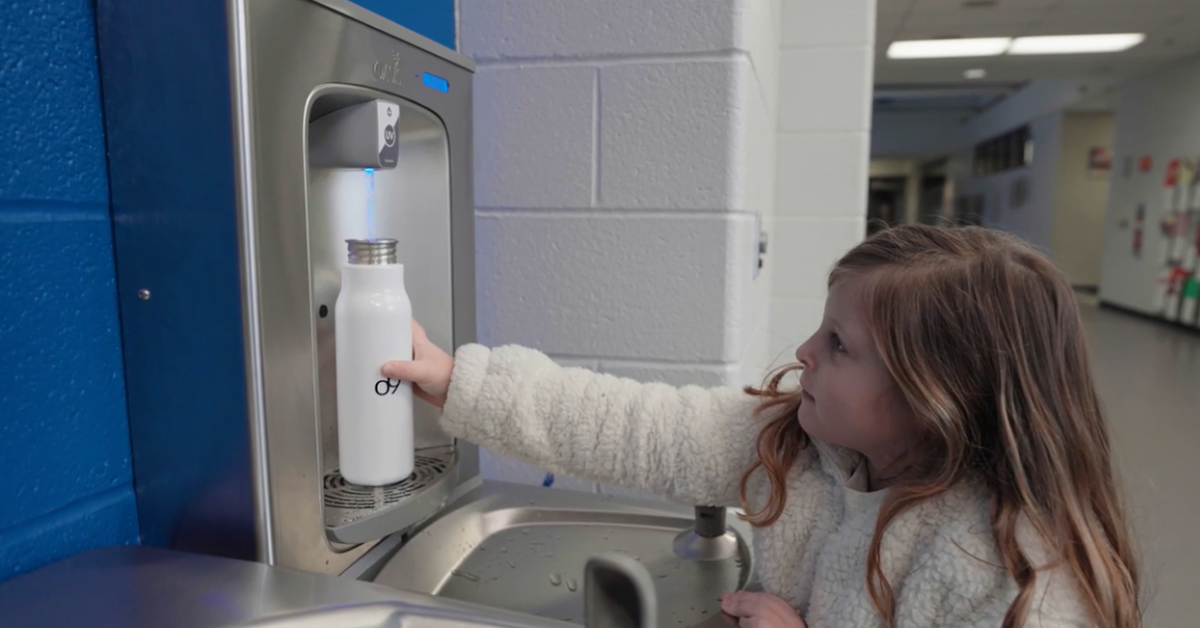



Are Water Fountains Safe? Water Quality and Hygiene
 Hydration Insights from the OASIS Team
February 2, 2026
Hydration Insights from the OASIS Team
February 2, 2026
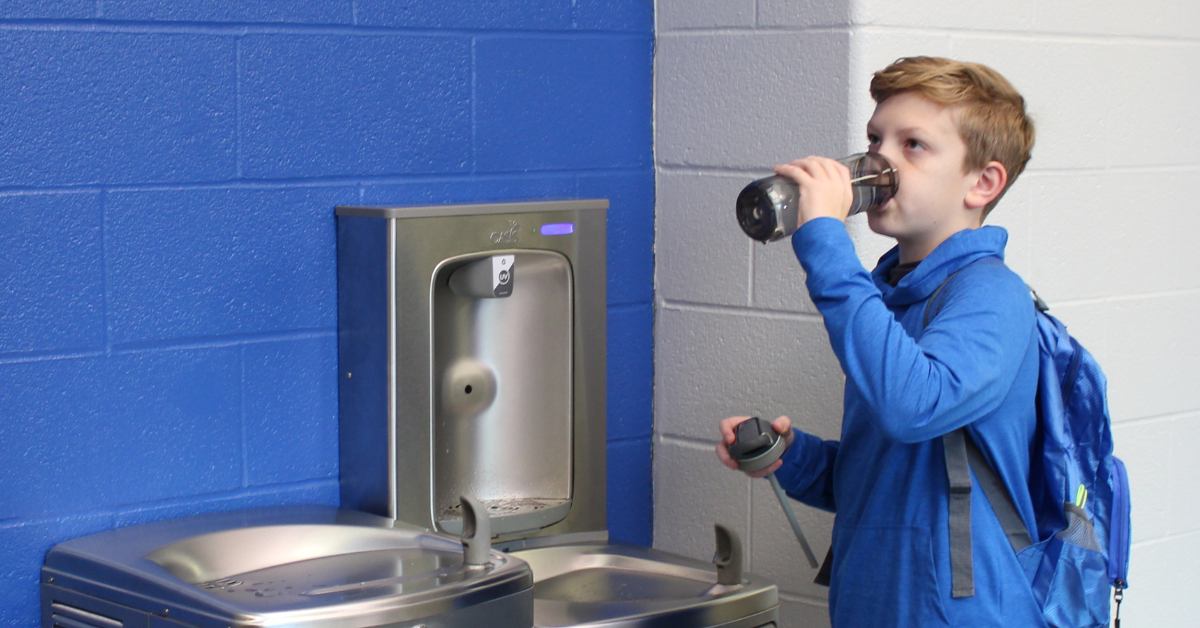
Are Water Fountains Safe To Drink From? What Science and Standards Reveal
Public water fountains have been part of city streets, school corridors and factory floors for well over a century, delivering free drinking water long before plastic bottles became a staple. From ornate Victorian fountains to today’s sleek bottle fillers, these fixtures have aimed to keep communities hydrated while reducing reliance on disposable containers and bottled water.
Still, the question “Are water fountains safe?” lingers. Some people picture crystal-clear water arcing gracefully into a cup, while others imagine germs, bacteria and potential contaminants coating every surface. Mixed perceptions are fueled by occasional headlines about lead or illness, leaving facility managers to balance convenience, sustainability and user confidence.
With regulations, filtration technology and maintenance practices evolving rapidly, it’s worth separating myth from measurable risk. The following sections provide evidence-based insights, current U.S. standards and practical guidance for keeping your fountains — and the people who rely on them — safe.
How Are Water Fountains Regulated? Your Questions Answered
Across the United States, water dispenser safety begins long before a user presses a button. The Environmental Protection Agency (EPA) enforces the Safe Drinking Water Act (SDWA), which sets legal limits for more than 90 contaminants and requires routine testing at the municipal supply. This federal backbone is complemented by state plumbing codes and NSF/ANSI standards — particularly Standards 61 and 53 — that spell out how any component touching drinking water must perform and which materials are acceptable.
Beyond these national requirements, county, city and state-level health departments layer on their own oversight. Many jurisdictions mandate periodic sampling at point-of-use fixtures inside schools, airports or office complexes, running checks for lead, copper, bacteria and residual chlorine. If levels exceed action thresholds, it’s recommended to immediately restrict use until corrective steps, such as flushing, filter replacement or fixture upgrades, restore compliance.
Each fountain design has to meet extensive performance, accessibility and sanitation metrics before it reaches your building. That means third-party testing for structural integrity, lead-free waterways and filtration effectiveness.
Forward-thinking suppliers go one step further by integrating features that anticipate emerging health concerns. For example, we incorporate Freshield™ protection at key touchpoints; the silver-based additive forms a barrier that limits microbial growth, offering an extra layer of assurance beyond what the regulations require. In short, compliance sets the floor for water safety — innovative design and proactive maintenance raise the ceiling.
Common Sources of Contamination
Even when municipal water meets EPA requirements, contaminants can still appear between the main and the mouthpiece. Aging pipes may leach metals, stagnant water inside supply lines can allow bacteria to multiply and damaged seals around spigots sometimes create pathways for dirt or insects. Outdoors, fountains also contend with airborne debris and temperature swings, whereas indoor units face heavy foot traffic and frequent hand contact.
A study found that airport drinking fountains had around 30 million colony-forming units of Gram-negative bacteria, highlighting just how germ-covered the buttons and fountain spout can be if not properly sanitized daily.
Beyond touchpoints, the water itself can carry a range of potential contaminants: lead from pre-1986 plumbing, microscopic plastic fragments, particulate class 1 sediment, residual chlorine, off-tastes and odors. Specialty filters can even tackle trace pharmaceuticals or total PFAS, providing a broader safety net — all capabilities documented by our product engineers who note how our cartridges at OASIS are designed for exactly these targets.
To limit germ transfer on exterior surfaces, we integrate Freshield™ silver-ion technology directly into molded buttons and panels. The additive disrupts microbial cell walls, slowing reproduction and helping surfaces stay cleaner between wipe-downs. This built-in barrier pairs with regular disinfection cycles to keep bacteria, mildew and odor at bay, an approach that supports safer use in schools, offices and public water fountain installations.
Water quality checks don’t end at installation. Facility teams should perform water testing annually or after plumbing changes or if they’re concerned about the water quality. This helps verify that results stay within local health department thresholds. Combined with documented filter changes and surface sanitation, these practices answer the question of drinking fountain safety with hard data rather than guesswork.
Old Systems Often Equal Lead Concerns
Before 1986, many drinking fountain components and connecting pipes contained lead-bearing alloys. When those metals corrode, tiny particles wash into the stream and, over time, accumulate in a child’s daily water intake — one reason the EPA introduced its Lead and Copper Rule, which lowered the action level for lead to 15 parts per billion and compelled public facilities to replace non-compliant fixtures. This regulation has prompted numerous schools and transit hubs to schedule phased upgrades so every fountain meets present-day safety targets, swapping out suspect plumbing for certified lead-free materials.
Combined with high-performance filters that reduce particulate class 1 sediment, these improvements sharply reduce the likelihood of lead appearing at the bubbler. For facility managers overseeing mixed-age campuses, the safest approach is to inventory legacy units, test water outlets most likely to exceed thresholds and prioritize replacements where children or immunocompromised occupants gather.
OASIS fountains mitigate risk by routing water through tubing that minimizes surface contact and by meeting NSF 372 for lead-free materials. That designation simplifies compliance reporting and assures stakeholders that even after years of service — and thousands of fill-ups — each fountain will continue delivering safe drinking water when properly installed and maintained.
Hygiene Best Practices for Safer Drinking Water
Touching the spout with a bottle or — even worse — a mouth is the fastest way to transfer germs from user to user. Encourage occupants to hover bottles beneath the stream rather than resting rims on the nozzle. Wiping push pads with food-safe disinfectant wipes routinely is usually enough for low-traffic areas, or upgrade to contactless drinking fountains to reduce the points of contamination.
Pandemic-era protocols raised overall awareness of shared-surface hygiene, yet some facilities kept fountains bagged or switched off long after reopening. If your building still has out-of-service units, verify whether they were closed due to local COVID policies or because they failed a water quality test. A quick review of maintenance logs and a fresh water sample from a trusted lab, especially for lead and bacteria, can confirm whether reactivation is safe or if replacement is the better route. Ensure you follow proper manufacturer guidelines for reactivating fountains with proper flushing.
When inspecting any public water fountain, watch for discoloration, calcium buildup or unsteady water pressure. These visual cues often signal internal scale or filter exhaustion, both of which can impair taste and allow bacteria to colonize stagnant sections. Routine filter changes based on manufacturer specifications (or sooner in high-sediment regions) help maintain water clarity and reduce unpleasant chlorine taste and odor while also supporting sustainability goals by encouraging refill behavior over reliance on plastic bottled water.
Finally, remember that ADA guidelines still require accessible drinking options in most occupancies. Rather than removing fountains outright, facility managers can combine a traditional bubbler with a touch-free bottle filler, satisfying code while offering users the hygiene reassurance of a contactless experience. Keep a laminated maintenance schedule nearby so anyone — from custodial staff to visiting parents at an academic facility — can confirm the unit was serviced recently, reinforcing confidence that the water inside is as safe as the standards demand.
Filtration by OASIS: A Secure Solution
Facility managers often weigh multiple hydration options, but a robust filter is the single most effective safeguard against unseen contaminants. Independent notes from our product team emphasize that our cartridges at OASIS are engineered to reduce lead, microplastics, particulate class 1 sediment, chlorine, taste and odor, with specialty models capable of addressing pharmaceuticals or total PFAS — coverage that exceeds what many legacy fountains can provide.
By routing water through these filters before it reaches the spout, you gain consistent quality regardless of upstream plumbing issues, delivering reliable contaminant reduction from a trusted drinking-water manufacturer.
Ready to boost user confidence and meet sustainability goals in one step? Contact us to find the right water fountain solution and discover how OASIS filtration, antimicrobial protection and touch-free bottle fillers can transform hydration in your building.
About the Author
Explore more articles
Understanding the Surge in Demand for High-Quality Water Solutions
VersaCooler II Drinking Fountains Features and Benefits

VersaFiller Bottle Filler Features and Benefits
Bottle Filling Stations – Trends and Demand