


Ensuring Hydration Safety in the Workplace: Best Practices and Legal Requirements
 Hydration Insights from the OASIS Team
January 8, 2026
Hydration Insights from the OASIS Team
January 8, 2026

Ensuring Hydration Safety in the Workplace: Best Practices and Legal Requirements
Sweltering production floors, sun-drenched construction sites and bustling offices all have one thing in common: they run on people — and people run on water. Even a small fluid deficit can ripple through the body, affecting everything from core temperature regulation to cognitive sharpness. In fact, a study focused on healthcare workers found that 45% of these medical professionals were dehydrated at the end of their shift, causing problems with short-term memory and cognitive performance.
Employee productivity isn’t the only casualty. When workers become dehydrated, the likelihood of fatigue, dizziness and heat-related illness rises, increasing the chance of onsite incidents and costly downtime. It’s no wonder that expectations around staying hydrated have evolved.
This article lays out what you need to know to keep teams safe, healthy and compliant. We’ll unpack OSHA’s hydration requirements, spotlight the warning signs of dehydration, and share proven strategies — from structured water breaks to modern bottle-filling technology — that can turn drinking water from an afterthought into a cornerstone of your safety culture.
Understanding the Importance of Hydration at Work
Clean water fuels every metabolic reaction that keeps your team thinking clearly, moving efficiently and staying safe. When the supply runs low, the body conserves fluid by raising core temperature and reducing blood volume, which means the brain and muscles no longer receive the oxygen and nutrients they need to perform at their peak. The result is slower decision-making, lagging coordination and a higher risk of on-the-job errors.
Research shows that a loss of merely 2% of body water impairs tasks that rely on attention and immediate memory. That tiny deficit is easy to reach during a single shift.
Left unchecked, those cognitive slips translate into real-world consequences. Reaction times stretch, judgment falters and fatigue sets in — the perfect recipe for near-misses, machinery mishaps or costly rework. Employee productivity suffers, morale dips and medical claims begin to mount, all because water bottles stayed half full.
What Does OSHA Have To Say About Workplace Hydration?
Staying on the right side of compliance starts with understanding what federal regulators expect. OSHA’s General Duty Clause requires employers to furnish workplaces free from recognized hazards, and that includes providing cool, accessible water stations in sufficient quantity, conveniently located near the work area and available for the entire shift.
When employees are working in the heat, they should drink 1 cup (8 ounces) of water every 15 to 20 minutes. It’s important to drink before feeling thirsty. By the time you feel thirsty, you are already behind in fluid replacement — a reminder that proactive scheduling, not reactive chugging, keeps workers protected.
Practically speaking, this means setting proper hydration break frequencies, ensuring workplace safety with enough dispensers to prevent crowding and tracking consumption during peak temperature periods. Beginning each shift well-hydrated and continuing to drink water frequently during the day is the best defense against dehydration in the workplace.
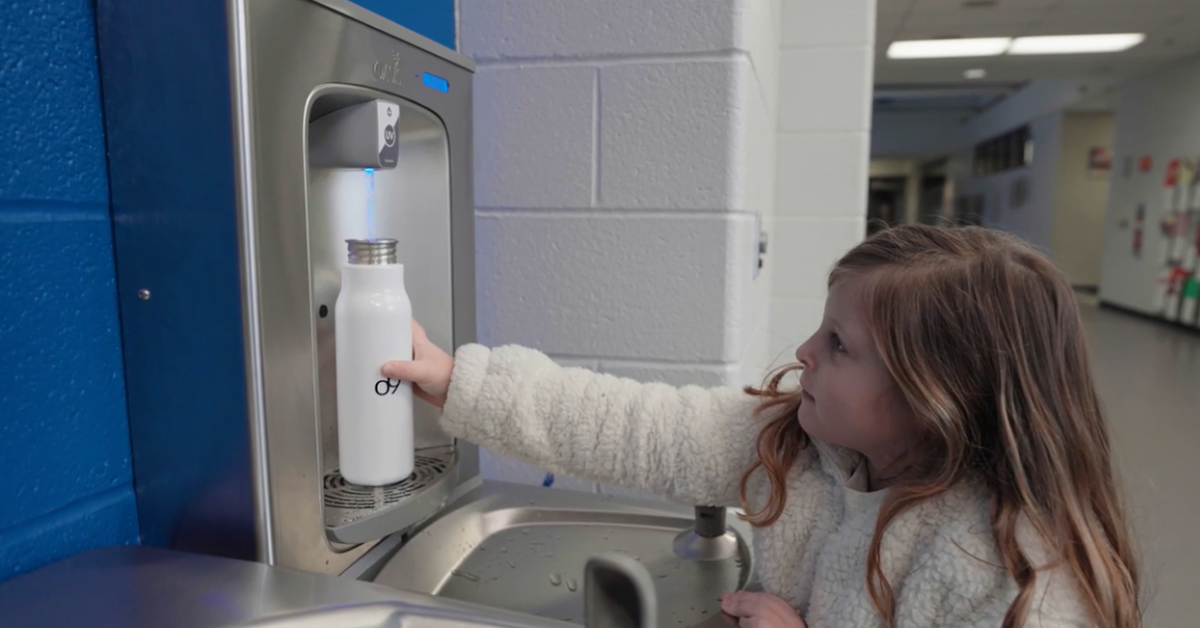
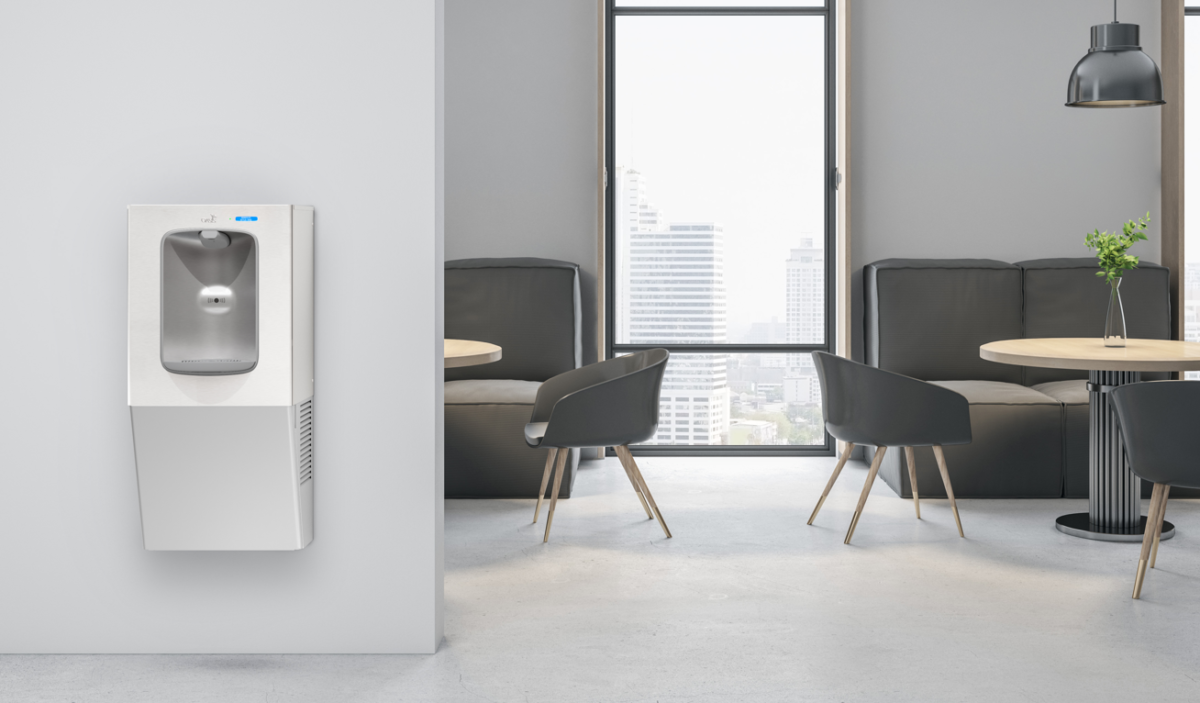
It pays to make good hydration effortless. Strategically place touchless filtered water dispensers throughout the facility and supplement them with high-capacity bottle-filling stations. When water is clean, cold and only a few steps away, compliance becomes second nature.
The Signs and Risks of Dehydration: What To Watch Out for
Early dehydration rarely announces itself with blaring alarms. Employers should learn to spot dehydration before it escalates. The most common red flags include:
-
Dry mouth or persistent thirst.
-
Headache or lightheadedness.
-
Confusion or trouble focusing.
-
Dark-colored urine or infrequent bathroom breaks.
-
Muscle cramps or general fatigue.
Without intervention, those warning signs can spiral into heat exhaustion and, eventually, heat stroke — a medical emergency that can lead to organ damage or fatality. Watch for workers who suddenly seem disoriented or display rapid heartbeat and flushed skin; these cues signal it’s time for immediate cooling and medical attention.
Beyond the health toll, dehydration quietly undermines safety culture. Staying vigilant, promoting frequent water breaks and empowering team members to speak up when symptoms arise protects people and production alike.
What Employers Can Do To Promote Hydration
Turn policy into practice by weaving optimal hydration into the rhythm of every shift. Many facilities schedule micro-breaks at 15- to 20-minute intervals so employees can top up fluids without losing production momentum. Posting signage that reminds teams to drink before they feel thirsty, stocking reusable bottles, and supplying electrolyte beverages for high-sweat roles all reinforce the habit.
With OASIS, leaders gain peace of mind by choosing technology that protects water quality at the point of dispense. Our QUASAR UV-C LED water bottle fillers are engineered for healthcare-grade hygiene, reducing 99.9% of pathogens such as Legionella and Giardia while cutting energy and bulb-replacement costs over a ten-year lifespan.
No program is complete without awareness training. Toolbox talks that review dehydration symptoms, buddy checks during busy days and clear escalation protocols empower employees to look out for one another. When hydration becomes part of the daily safety dialogue — supported by accessible, reliable water stations — healthy habits stick and incident rates fall.
OASIS: Modern Water Solutions for Modern Workplaces
Reliable hydration is more than a compliance checkbox — it’s a commitment to workforce safety, sustainability and efficiency. That commitment underpins the design of every solution we offer at Oasis, from wall-mounted fountains that withstand warehouse wear and tear to sleek stainless-steel stations that complement corporate lobbies.
Our QUASAR UV-C LED technology goes beyond traditional filtration, disinfecting water at the point of dispense and reducing 99.9% of pathogens such as Legionella and Giardia. By pulsing every ten minutes, the system keeps the nozzle sanitized without chemicals or heat, delivering peace of mind for facilities that can’t compromise on water safety.
Surface health matters too. Integrated Freshield antimicrobial protection is engineered into high-touch components, helping cut down on surface contamination, odors and discoloration so stations stay clean between routine wipe-downs.
When it comes to format, facility managers have options. Our expansive portfolio of contactless bottle fillers and retrofit kits covers indoor, outdoor, single- and bi-level configurations — all ADA-compliant and many equipped with real-time bottle-saved counters for sustainability reporting.
Finally, advanced NSF/ANSI-certified filtration targets contaminants ranging from lead and microplastics to PFAS compounds and pharmaceuticals, ensuring every sip meets rigorous quality standards while simplifying cartridge management across product lines.
Contact our team to find the perfect workplace hydration station for your company, no matter what your specific setup needs are.
About the Author
Explore more articles
Understanding the Surge in Demand for High-Quality Water Solutions
VersaCooler II Drinking Fountains Features and Benefits

VersaFiller Bottle Filler Features and Benefits
Bottle Filling Stations – Trends and Demand